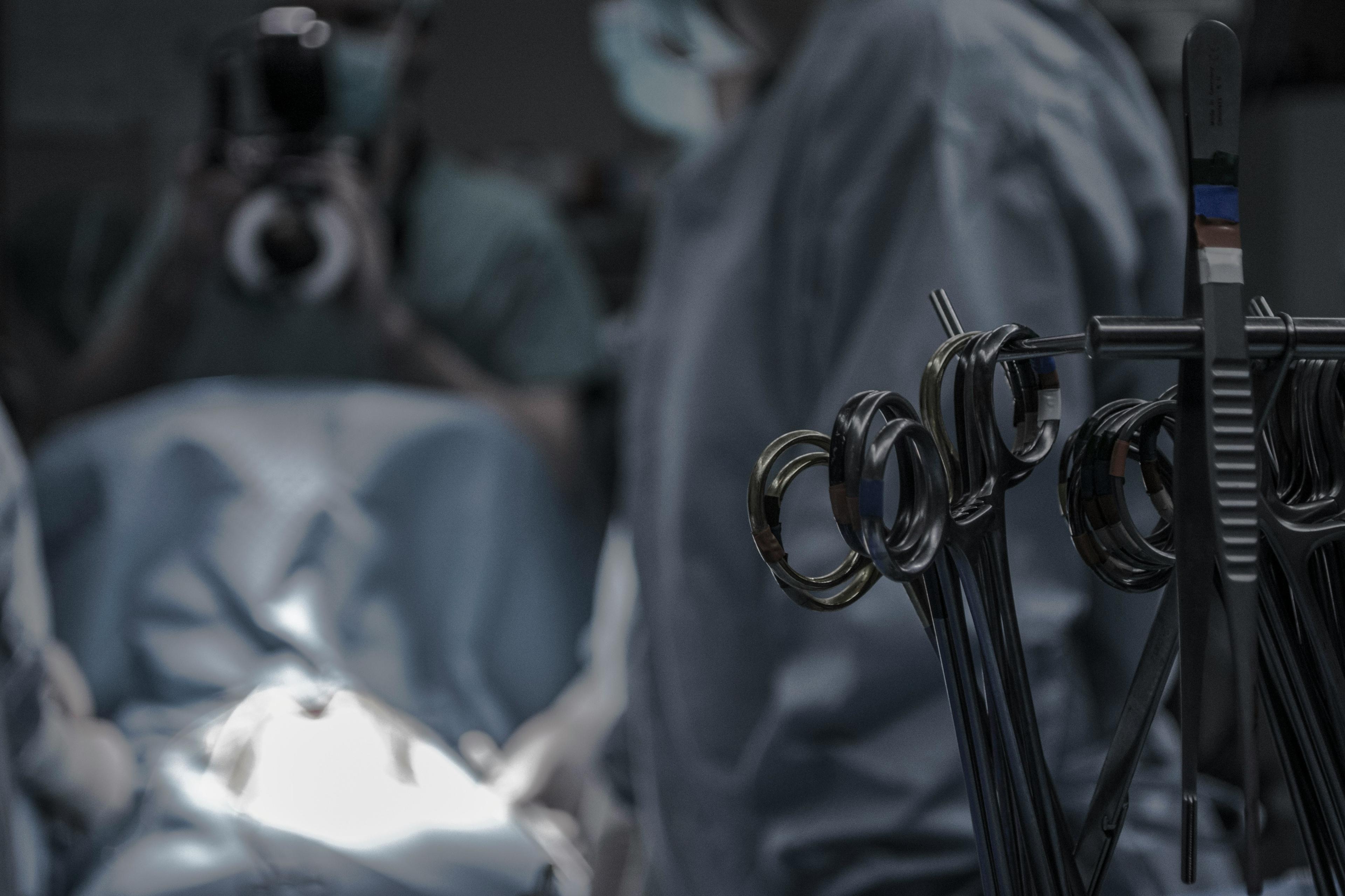
Shoulder Replacement Surgery
Anatomic, reverse, and selected hemiarthroplasty options
Shoulder replacement can relieve advanced pain and restore useful function when arthritis, rotator cuff failure, fracture, osteonecrosis, or prior surgery has permanently damaged the joint.
What is shoulder replacement?
Shoulder replacement removes damaged joint surfaces and replaces them with carefully selected metal and polyethylene components. It may be considered when pain, stiffness, weakness, or loss of independence remains unacceptable despite reasonable nonsurgical care. Common reasons include glenohumeral arthritis, rotator cuff tear arthropathy, a massive irreparable rotator cuff tear, osteonecrosis, a complex proximal humerus fracture, or failure of a previous shoulder operation. The operation must match the diagnosis and the mechanics of the individual shoulder. A technically successful replacement begins with identifying why the joint has failed and which muscles, tendons, nerves, and areas of bone remain capable of supporting the reconstruction.
Which type of shoulder replacement is used?
Anatomic total shoulder replacement preserves the shoulder's natural ball-and-socket orientation and is generally best suited to advanced arthritis with a functioning rotator cuff. Reverse shoulder replacement changes the joint's mechanics so the deltoid can provide more of the power needed to raise the arm. It may be used when the rotator cuff is irreparable, bone deformity is substantial, a complex fracture cannot be reconstructed reliably, or a prior replacement has failed. Hemiarthroplasty replaces the humeral head while preserving the patient's natural socket. Its role is selective, but it may be appropriate for certain fractures, osteonecrosis, severe socket bone deficiency, or carefully selected younger and highly active patients who wish to preserve glenoid bone and avoid implantation of a polyethylene socket component. Modern pyrocarbon implants have renewed interest in this option, with encouraging outcomes reported in younger, active patients. Hemiarthroplasty does not, however, eliminate the risk of progressive socket wear, persistent pain, or later revision surgery. Implant selection is individualized according to anatomy, cartilage and bone quality, rotator cuff function, activity goals, and the tradeoffs of each reconstruction.
Patient-specific CT and 3D planning
Dr. Knudsen obtains a preoperative CT scan and performs three-dimensional computer templating for every anatomic, reverse, and hemiarthroplasty shoulder replacement he performs. The CT defines glenoid wear, humeral anatomy, bone loss, deformity, version, inclination, and the available areas for secure fixation. The digital plan allows him to compare implant sizes and configurations before surgery and anticipate whether augmented components, bone grafting, or specialized implants may be required. Augmented- and mixed-reality technology can then provide intraoperative access to the three-dimensional plan and support accurate execution. These technologies do not replace surgical judgment. They provide additional information that helps reduce guesswork and customize the reconstruction to the patient's anatomy.
Evaluation and decision-making
Evaluation generally includes a detailed history, physical examination, and shoulder X-rays. CT imaging is used for preoperative three-dimensional planning. MRI, ultrasound, laboratory testing, aspiration, or nerve studies may be obtained when rotator cuff integrity, infection, neurologic function, or another source of symptoms requires further clarification. Dr. Knudsen discusses the likely benefits and limitations of each option, the tissues that must heal, the rehabilitation commitment, and the activities that may need to be modified. Surgery is recommended when the expected improvement justifies the risks and recovery for that individual patient.
Recovery and expectations
The shoulder is usually protected in a sling during the early healing period. Rehabilitation progresses from protected motion to active use and later strengthening. The timeline varies according to the implant, the diagnosis, the condition of the soft tissues, and whether tendons or fracture fragments were repaired. Pain relief often occurs before strength and endurance fully return. Improvement can continue for a year or longer. Shoulder replacement is intended to create a dependable, comfortable joint for meaningful daily function, but it does not reproduce a completely normal shoulder or guarantee unrestricted motion, strength, or heavy use.
Patient Experience
“Now, 13 months later, I can work out with weights, reach all the high shelves, and even get my carry-on into the overhead bin of an airplane. My life is quite changed, and all for the better.”
Patient following reverse shoulder replacement | Google review
These testimonials describe individual patient experiences. Treatment recommendations, recovery, and outcomes vary by patient.
Selected References
- American Academy of Orthopaedic Surgeons. Management of Glenohumeral Joint Osteoarthritis: Evidence-Based Clinical Practice Guideline. AAOS; 2020.
- Levine WN, Ahmad CS, Bigliani LU, Jobin CM, Knudsen ML, Luzzi AJ. From Neer to now—80 years of shoulder arthroplasty. JSES Int. 2025;9(3):934-943.
- Gannon NP, Wise KL, Knudsen ML. Advanced Templating for Total Shoulder Arthroplasty. JBJS Rev. 2021;9(3).
- Daher M, et al. Reverse versus anatomic total shoulder arthroplasty for glenohumeral osteoarthritis with intact cuff: a meta-analysis of clinical outcomes. J Shoulder Elbow Surg. 2025;34(1):190-202.
This information is educational and is not a substitute for an individualized medical evaluation. Written and medically reviewed by Michael L. Knudsen, MD | Last reviewed: July 2026
Request a Shoulder Replacement Consultation
Multiple locations across Westchester.
Or call (212) 305-4565